Executive Protection Dog
has become a popular phrase— but in practice, it’s often marketing language stapled onto a dog that’s either (a) simply intimidating, or (b) trained to do something that looks dramatic in a demo and fails in real life.
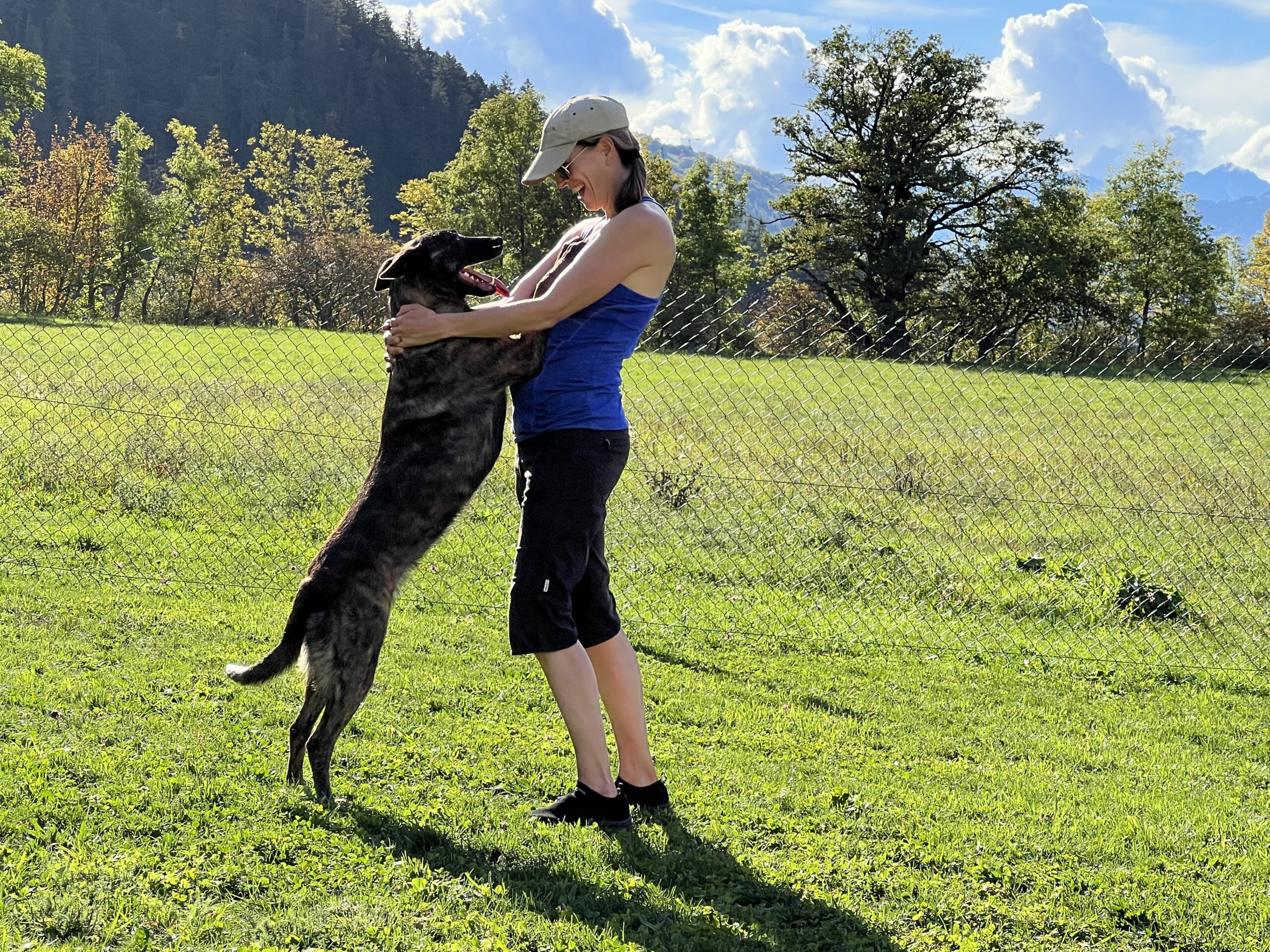
A true Executive Protection Dog has one job: protect the principal without ever becoming a liability. That means the Dog must be able to move through the executive’s world— homes, hotels, airports, offices, restaurants, vehicles, crowds —while remaining calm, socially stable, and invisible until the moment it matters. Many providers say their Dogs can do this, but the industry has no standards, and the lack of regulation makes it easy for anyone to sell a “protection” narrative.
At AlpinHaus Shepherds, we build Executive Protection Dogs using the Protection Dogs 2.0 doctrine—meaning the Dog is a real defensive system: stable, social, OFF-Leash, and built around control, judgment, and decisive capability. Not chaos. Not aggression. Not theatrics.
What Executives Actually Need (and What “Protection” Usually Misses)
Executives don’t need a Dog that’s constantly “on.” They need a Dog that can:
- Blend into professional environments without social friction
- Travel reliably (new places, new people, new stimuli)
- Deter threats without escalating the situation
- Engage decisively if a threat closes the distance and commits
- Shut off immediately the moment danger ends
- Remain in control, even while in a state of Aggression, the entire time
Many sellers describe executive protection Dogs as adaptable—“boardrooms to aircraft to home,” etc. That framing is directionally correct. The problem is that most training systems cannot actually produce it at high reliability, because they build the wrong foundation.
The most common industry failure mode is simple: they train the “protection” part first and hope obedience and social stability will survive. Often it doesn’t. The result is a dog that feels powerful to own, but adds massive risk—especially in public.
The Hidden Risk: The Protection Dog Industry Confuses Aggression with Capability
The Guardian recently highlighted the rapid rise in Personal Protection Dogs and the concerns that come with it—public safety, liability, weak standards, and the reality that powerful Dogs in the wrong system can become a problem.
That’s not a knock on Protection Dogs. It’s a warning about Protection Dogs 1.0: a world where trainers sell intimidation, bite work, and “drive” as if those things automatically equal protection.
They don’t.
A true Executive Protection Dog must be:
- non-reactive in public
- emotionally stable
- obedient under stress
- capable of real aggression on demand
- safe immediately after engagement
That combination is rare. And it’s exactly what AlpinHaus Shepherds builds.
_____
The AlpinHaus Difference: CCV — Control, Capability, Value
Most executive dog programs are built around one axis: “Will the dog bite?” That’s a low bar. At AlpinHaus, our standard is CCV:
1) Control: The Defining Trait of a Real Executive Protection Dog
Executives don’t need a Dog they can barely handle. They need a Dog that makes their life simpler.
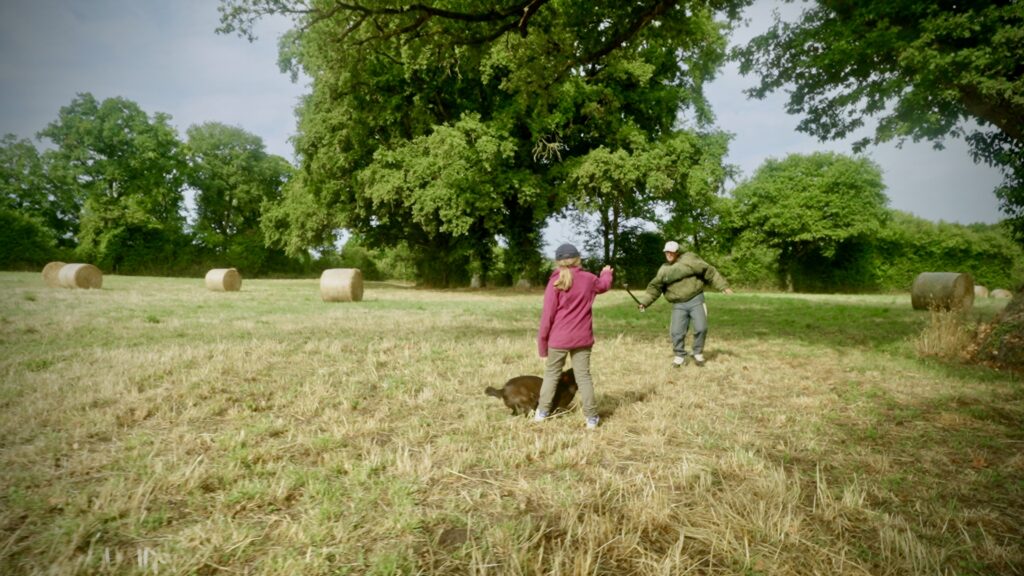
That means Elite OFF-Leash Obedience in real environments —lobbies, crowds, public spaces, confined areas—because the real world doesn’t look like a training field. Control isn’t “my dog sits when it’s calm.” Control is: my dog obeys when adrenaline is real.
Most trainers use leashes as a crutch because they cannot create true control under real aggression. Leashes are not a strategy—they’re a ceiling. When a powerful Dog hits the end of a leash in true drive, most handlers are physically outmatched, and the situation becomes chaotic fast.
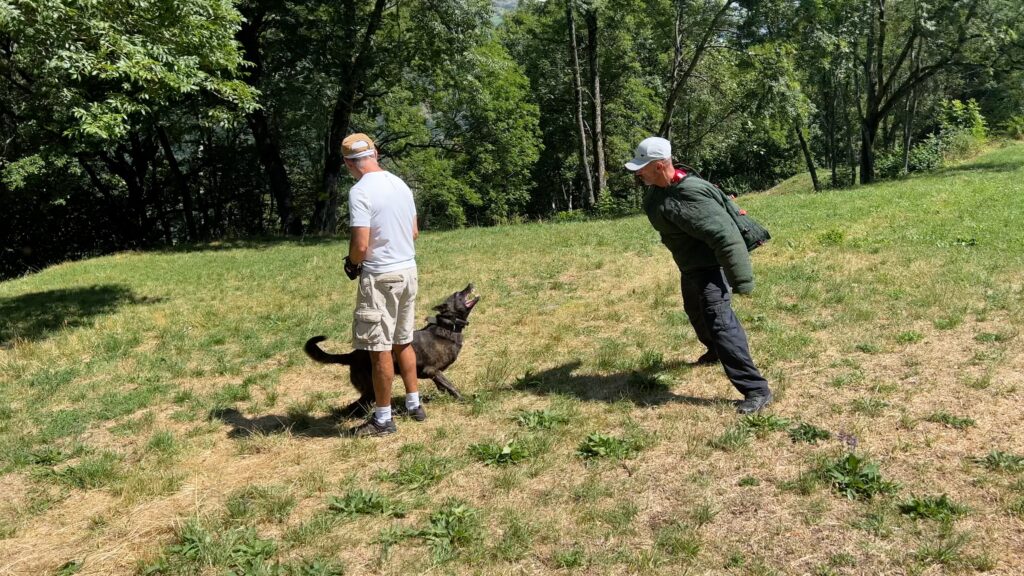
AlpinHaus Dogs do not require leash dependence because we train Dogs to maintain command response during real aggression, not just from neutrality.
2) Capability: Defense-First Protection and Real-World Readiness
Our protection is built on Defense-First Protection:
- When a situation emerges, the Dog comes to the handler and locks into a controlled heel position.
- We deploy Threat Deterrence first: calm posture, positioning, and controlled bark-on-command to de-escalate the overwhelming majority of encounters without engagement.
- If a threat breaches critical distance and commits with a sudden aggressive action, the Dog engages defensively and autonomously—without needing a dramatic “attack command.”
This matters for executives because real threats are rarely theatrical. They’re fast, close, chaotic, and ambiguous until they aren’t.
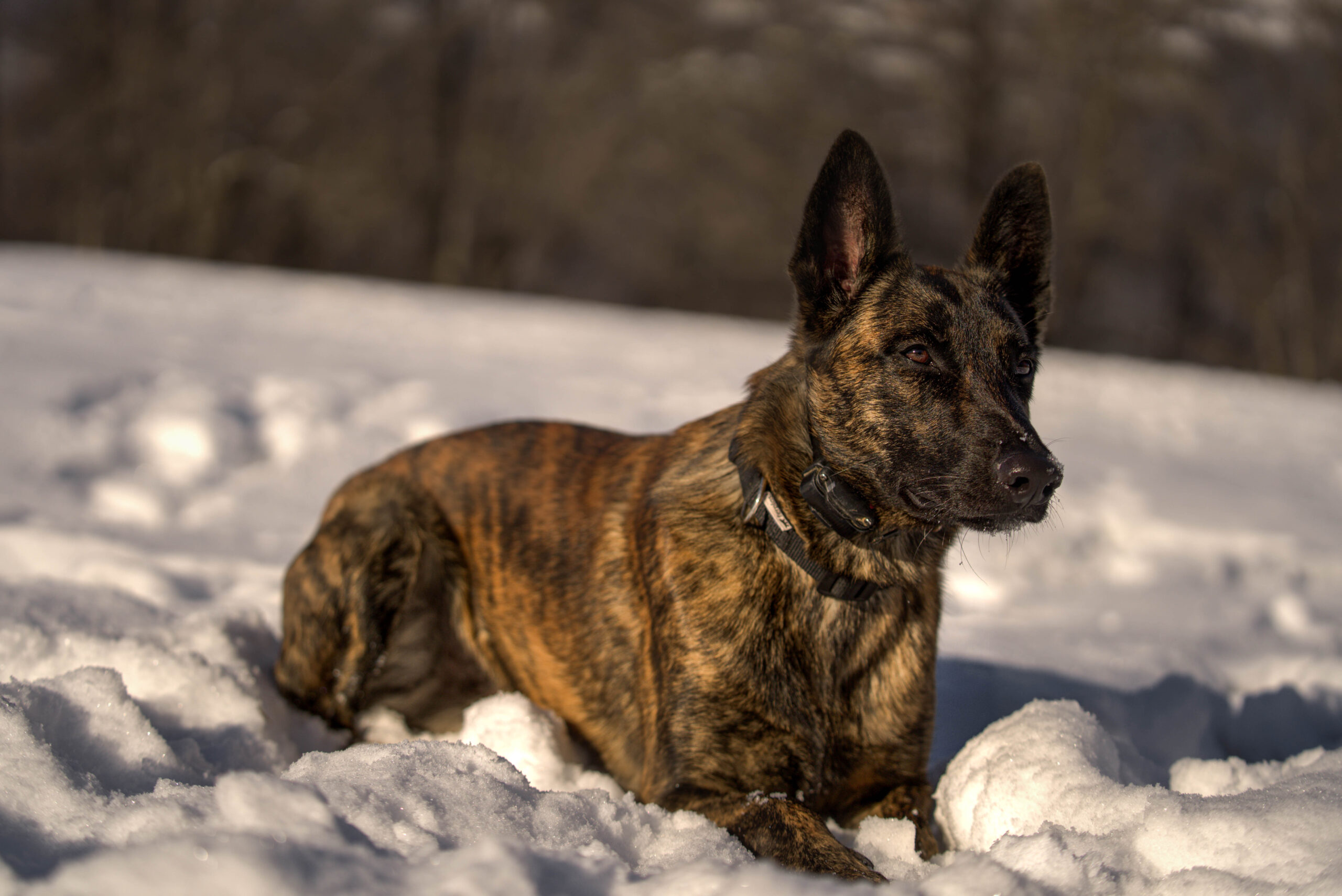
And if violence is required, we don’t train “sport bites.” We train Real-World Bite Targeting for fight-ending outcomes—prioritizing the weapon-side disablement and rapid termination of the encounter. (This is part of why working breeds like Belgian Malinois and German Shepherds are widely used in police K-9 programs: athleticism, trainability, and functional working capability. )
3) Value: The Only Metric That Matters Long-Term
Value isn’t “cheaper.” Value is the capability-to-risk ratio over the life of the Dog.
A Dog that’s impressive but unstable is not “high-end.” It’s a liability dressed up as luxury.
AlpinHaus Dogs are engineered for:
- real-world deterrence
- reliable engagement rules
- immediate de-escalation and control
- family-safe integration
- repeatable ON / OFF Switching
_______
Why “Executive Protection” Fails Without Socialization and ON / OFF Switching
Executive life is social. That means the Dog will constantly encounter:
- staff, assistants, drivers
- clients, colleagues, security teams
- hotel personnel, event staff
- strangers in close proximity
A Protection Dog that can’t remain neutral in these conditions becomes a constant management problem. This is why so many “Protection Dogs” end up functionally limited—kept away from life, isolated, or handled only by the strongest person in the family.
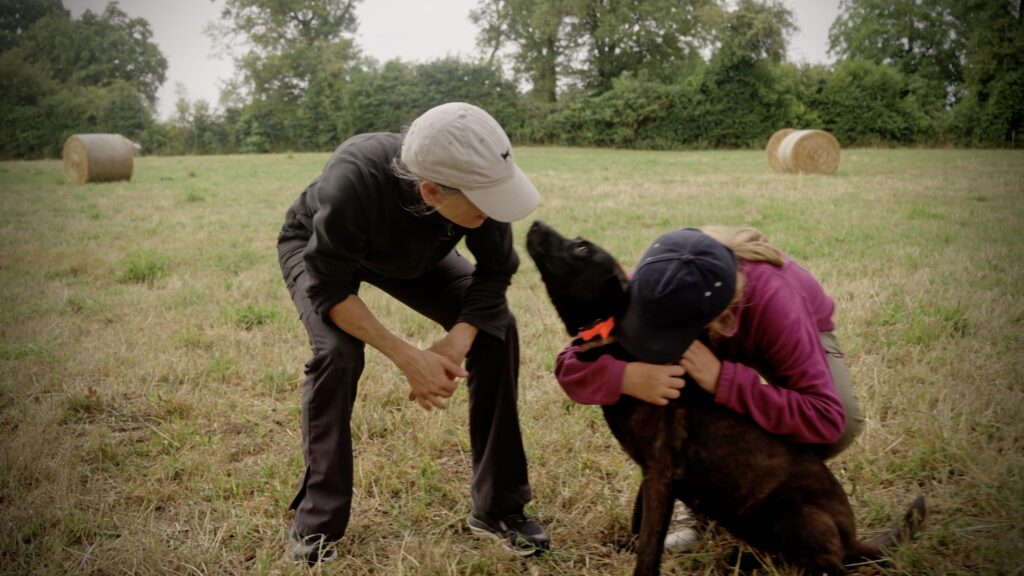
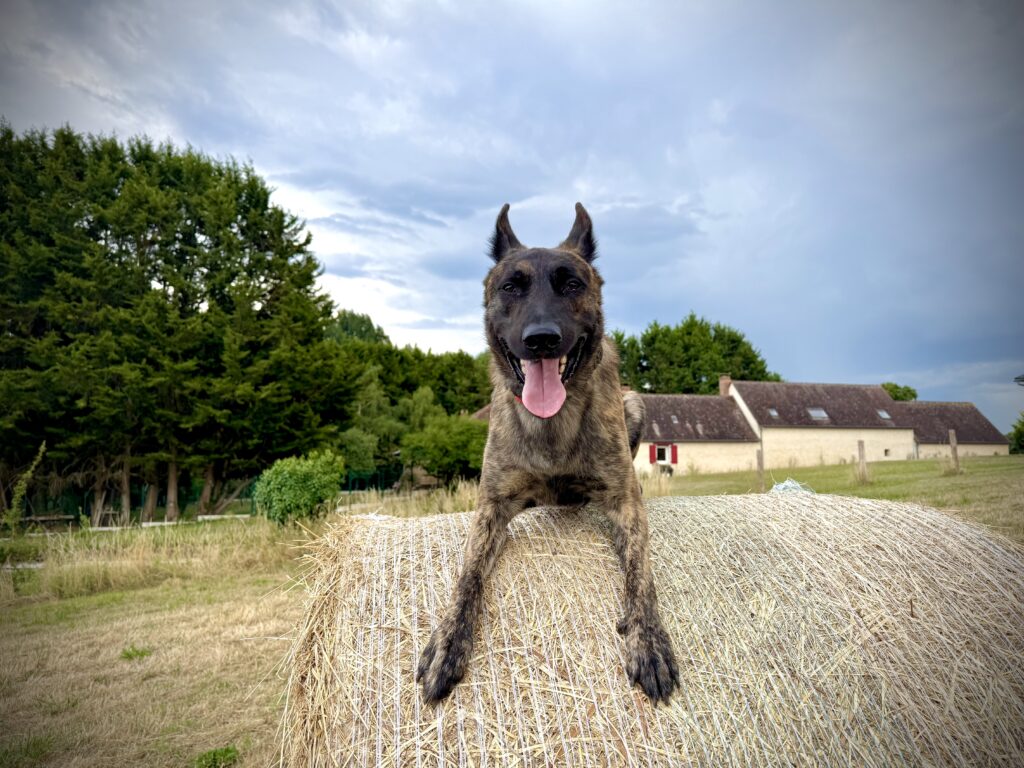
AlpinHaus solves this with Real-World Socialization, Real-World Obedience, and Post-Protection Socialization—trained as inseparable “DNA strands” from the beginning. The Dog isn’t “a weapon you own.” The Dog is a stable companion that can switch into defense mode instantly—and switch off just as fast.
That switch is not optional. It’s the whole game.
______
The Standard: Five Levels of OFF-Leash Protection
Because executive needs vary, we don’t pretend every client needs the same Dog. AlpinHaus builds across five levels (from Threat Deterrence to X Line Two-Dog Teams), allowing matching by risk profile and lifestyle—without compromising the foundational requirement: control + stability + real capability.
Most of the world sells one thing and calls it “executive.” We build a complete system and match it precisely.
______
The Bottom Line
If you’re considering an Executive Protection Dog, the question is not “Can the Dog bite?”
The question is:
Can the Dog remain socially stable, OFF-Leash controlled, and judgment-capable in the real executive world—then end violence decisively if it becomes unavoidable—without creating new legal, social, or safety risks?
That is what AlpinHaus Shepherds builds.
Not Protection Dogs 1.0.
Protection Dogs 2.0.
Author Credentials
Suede Michael Hussain
Founder & Master Protection Dog Trainer