Family Protection Is Not “Personal Protection Plus Kids”
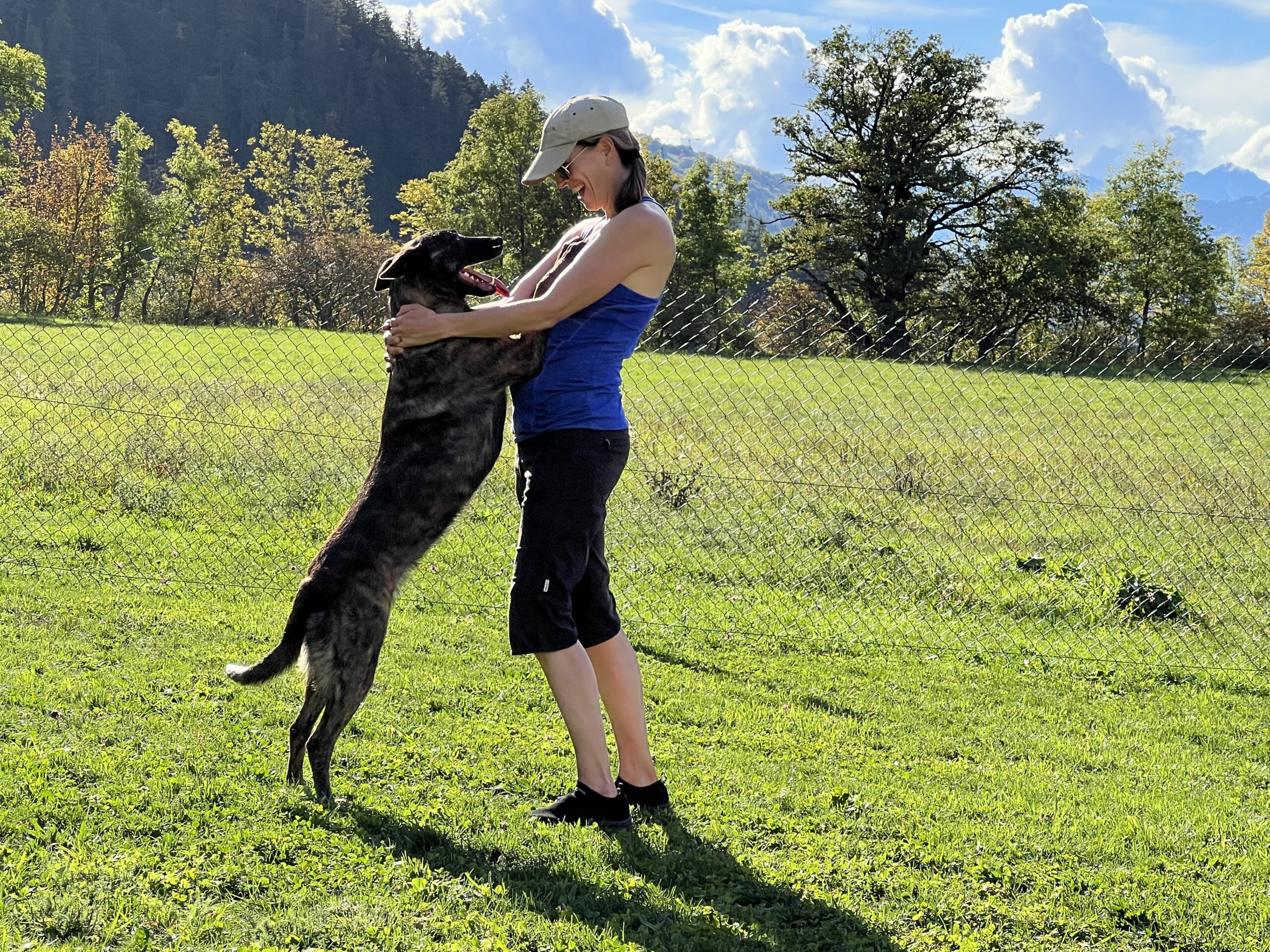
When buyers search for Trained Family Protection Dogs for sale, they are not looking for a more aggressive dog. They are looking for more reliability, more restraint, and more safety—in the most unpredictable environment a dog will ever face: a family home.
Children move erratically. Guests behave inconsistently. Emotions run high. Noise is constant. Boundaries shift.
Most dogs trained for protection cannot handle this environment safely.
At AlpinHaus Shepherds, we consider family protection the highest and most difficult application of protection training —not a subset of it.
⸻
Why Family Protection Is Harder Than Personal Protection
Personal protection focuses on one primary variable: the handler.
Family protection introduces multiple moving variables:
- Children of different ages
- Guests, friends, and extended family
- Emotional intensity (play, crying, chaos)
- Constant transitions between calm and excitement
A Family Protection Dog must protect without becoming suspicious, without escalating, and without misinterpreting normal family behavior as a threat.
This is extraordinarily difficult to train—and impossible to fake.
⸻
Why Most “Trained” Dogs Fail Families
Most dogs sold as Family Protection Dogs fail in predictable ways:
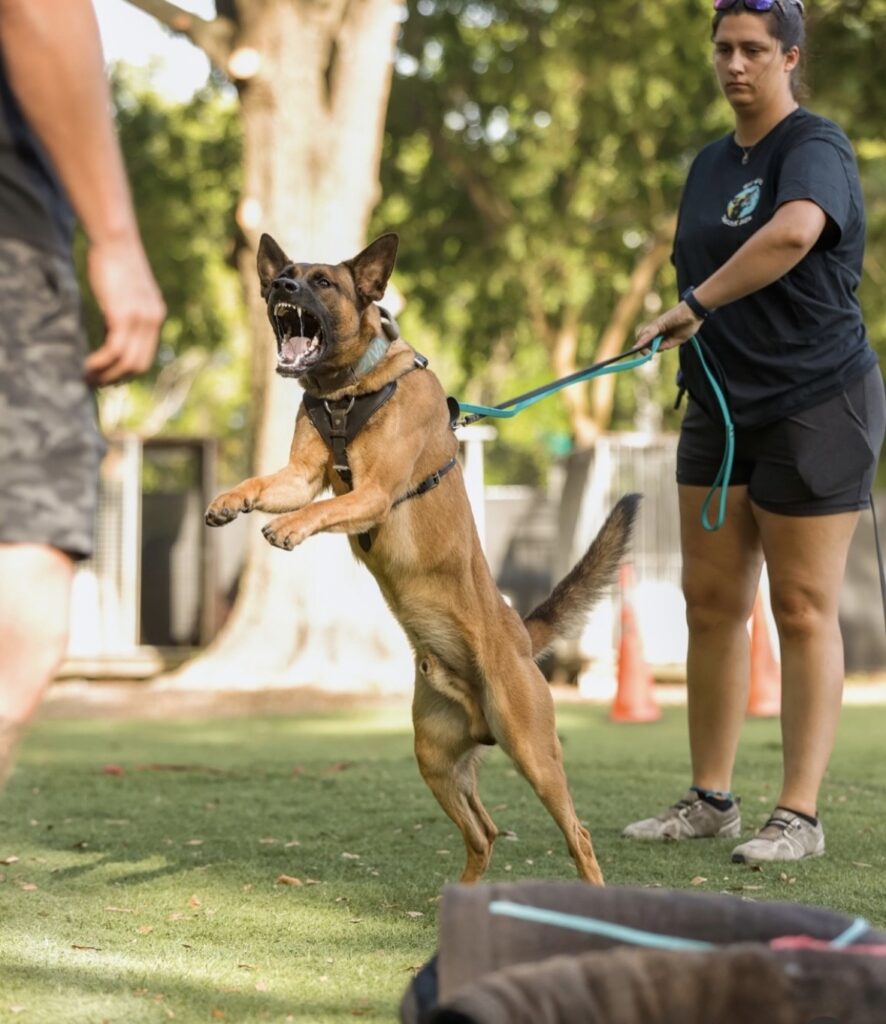
Over-Protection
- Reactivity to children’s movement
- Guarding behavior toward family members
- Aggression toward guests or service workers
Under-Protection
- Hesitation when a real threat appears
- Confusion due to conflicting stimuli
- Emotional shutdown under chaos
Both failures stem from the same flaw: training aggression without judgment.
⸻
The Family Standard: Protection + Neutrality
A trained Family Protection Dog must do two seemingly contradictory things at the same time:
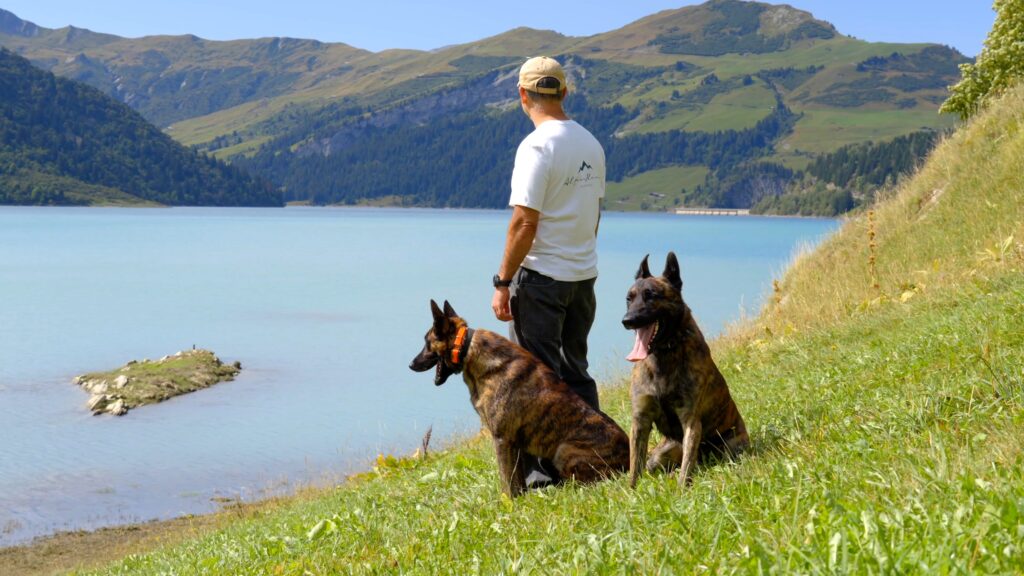
- Be completely neutral in daily life
- Be decisively protective when a real threat commits
This requires a dog that can:
- Tolerate chaos without stress
- Ignore non-threatening movement
- Maintain emotional balance
- Switch ON and OFF repeatedly without residue
Most dogs can do one of these. Very few can do all of them.
⸻
ON / OFF Switching Is Non-Negotiable in Family Homes
Family protection does not allow for “cool-down time.”
After a protective event, the dog must be able to:
- Immediately return to calm behavior
- Safely interact with children
- Accept touch, proximity, and affection
- Resume normal household life
Dogs that remain elevated after protection—even briefly —are unsafe in family environments.
This immediate ON / OFF Switching is one of the rarest traits in the protection world.
⸻
Why Leash-Dependent Control Fails Families
Leashes provide artificial safety.
In family environments, leashes are often:
- Inconsistent
- Unavailable
- Impractical
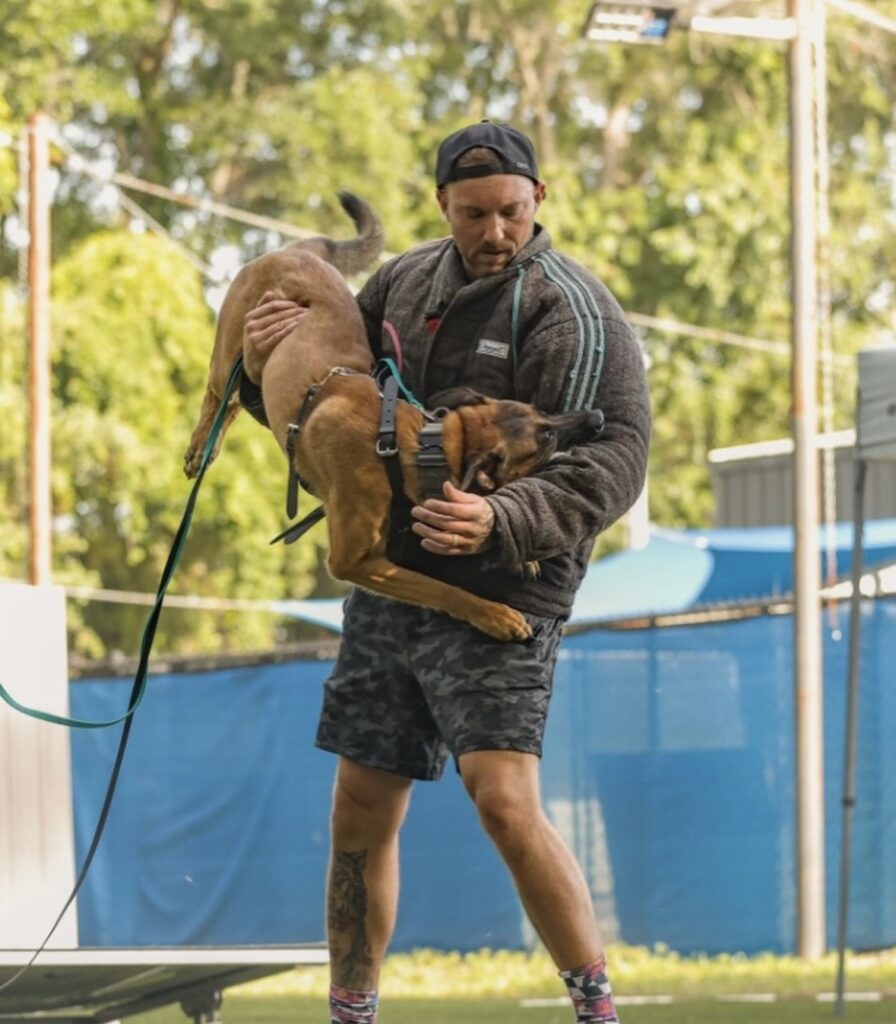
A trained Family Protection Dog must demonstrate OFF-Leash Protection with complete control—because family life does not pause to attach equipment.
If the dog requires a leash to be safe, it is not trained for family protection.
⸻
Genetics Matter More in Family Protection Than Anywhere Else
Family protection exposes genetic weaknesses faster than any other context.
Dogs with poor genetics often show:
- Low frustration tolerance
- Inability to recover from stress
- Over-arousal around children
- Compulsive guarding behaviors
No amount of conventional training can fix these traits reliably.
This is why the majority of dogs marketed as Family Protection Dogs should never be placed in homes with children, unless they are not truly capable of Protection.
⸻
Why Start-From-Puppy Development Is Critical
Family protection cannot be retrofitted.
It must be engineered from the beginning, with:
- Early exposure to children and homes
- Intentional social conditioning
- Protection layered only after emotional stability is proven
- Real-world environments prioritized over fields
Dogs trained elsewhere and “converted” later almost always carry instability that surfaces under family pressure.

⸻
The Family Question That Matters
Instead of asking:
“Is this dog trained to protect my family?”
Ask:
“Can this dog live peacefully with my family every day —and still protect decisively when it truly matters?”
If the dog cannot demonstrate both with absolute consistency, it is not trained for family protection.
Final Thought
A trained Family Protection Dog is not defined by what it will do to a threat.
It is defined by what it will not do to the people it lives with —every single day.
Anything less is not Family Protection.
It is a risk brought home.