When “Trained” Doesn’t Mean Safe—or Effective
The phrase trained protection dogs for sale appears straightforward. Most buyers assume it means the dog has been prepared to protect them reliably in the real world.
In practice, trained often means something far narrower: the dog has been conditioned to perform specific behaviors in specific contexts. When those contexts change—as they always do in real life—the dog’s reliability collapses.
At AlpinHaus Shepherds, we separate conditioned aggression from true protection because confusing the two is how people get hurt.
⸻
What Conditioned Aggression Looks Like
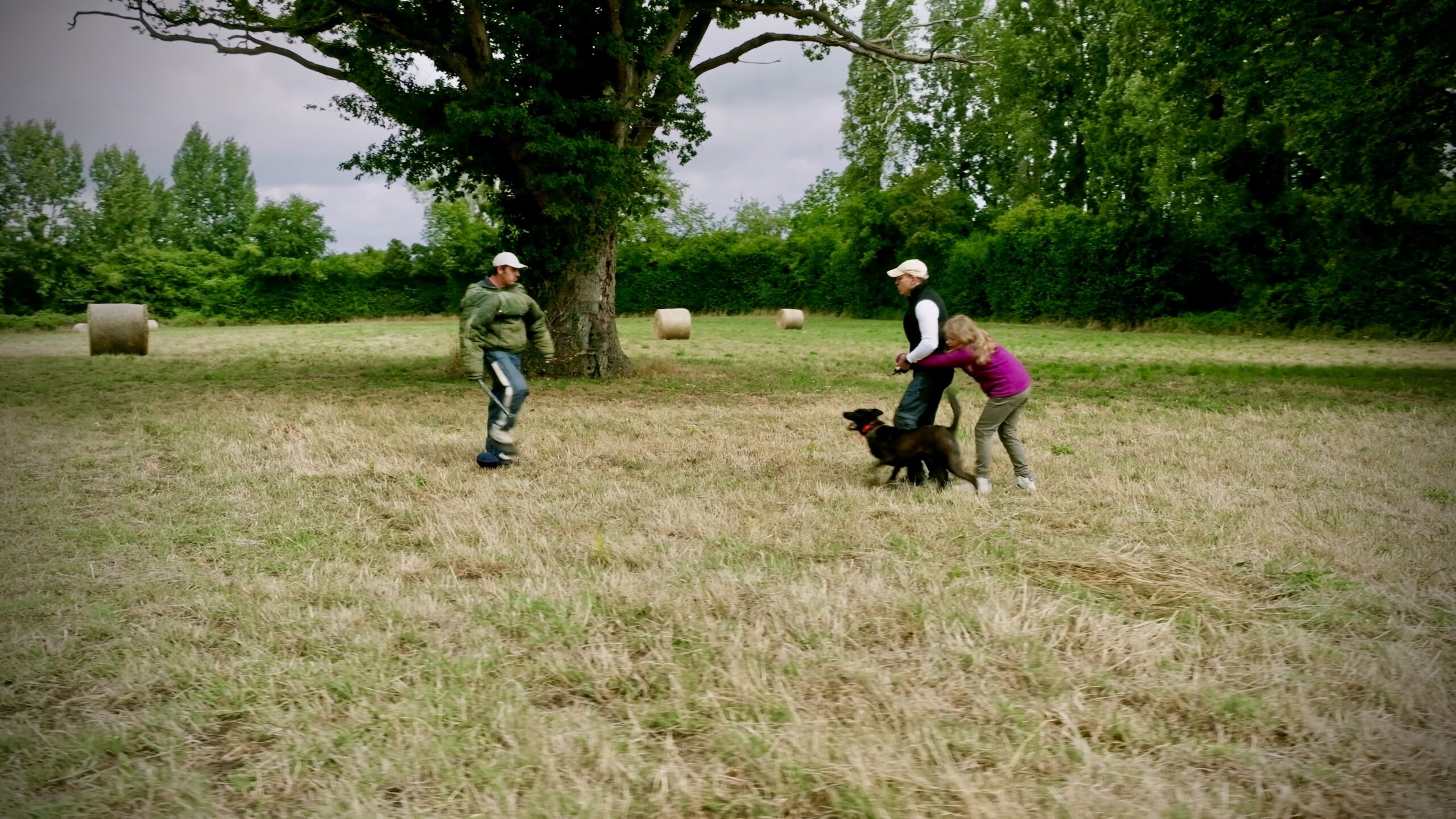
Conditioned aggression is what most of the industry produces.
It is characterized by:
- Predictable triggers
- Rehearsed decoy behavior
- Fixed equipment and environments • Handler cues the dog to depend on
- Leash-based control
These dogs are not thinking. They are executing scripts.
When the threat does not behave as expected, when the environment is unfamiliar, or when the handler is under stress, the script fails.
⸻
Why Scripted Dogs Fail in the Real World
Real threats do not:
- Move like almost all trained decoys
- Wear predictable equipment
- Respect distance
- Pause for commands
A dog trained primarily through conditioned aggression often:
- Hesitates when patterns break
- Escalates unnecessarily when confused
- Fails to disengage when the threat ends
- Loses control without a leash
This is not a training failure. It is a design failure.
⸻
Real Protection Is Judgment, Not Reaction
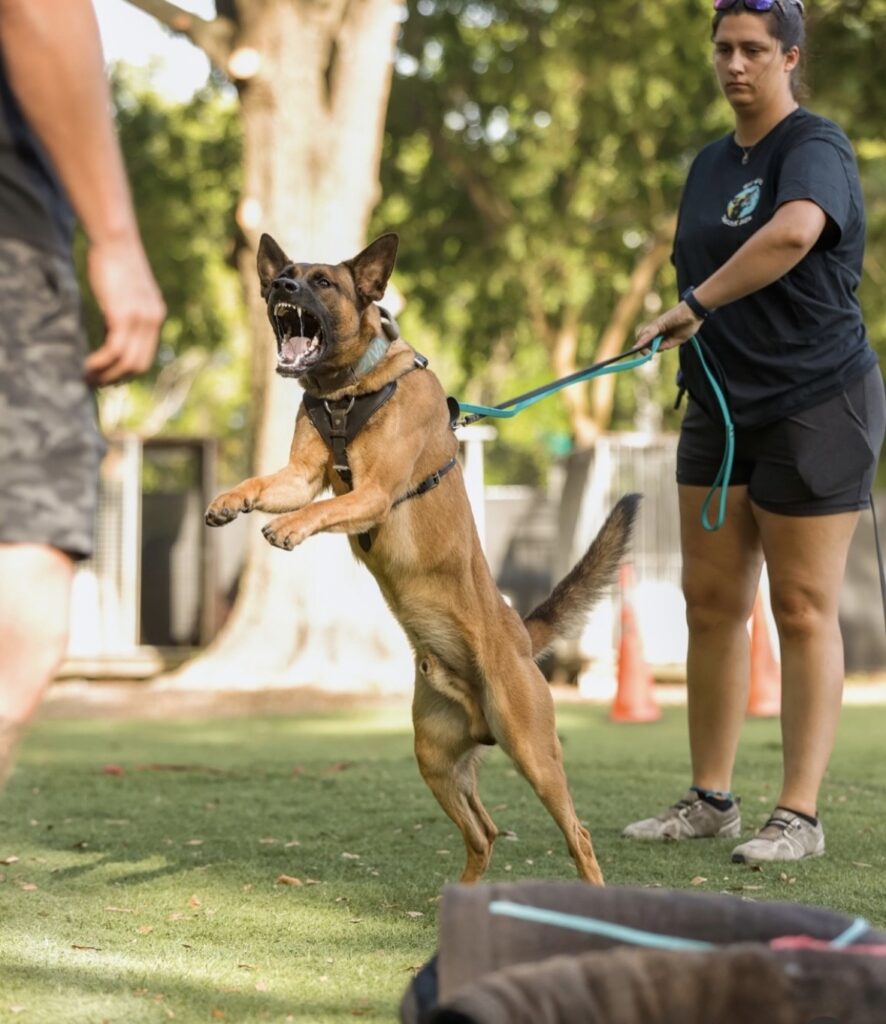
True Protection Dogs are not trained to simply react—they are trained to decide.
A genuinely trained Protection Dog must be able to:
- Differentiate stress from threat
- Defend space without immediately engaging
- Act autonomously when violence commits
- Stop instantly when the threat ends
- Return immediately to calm behavior
These decisions occur in fractions of a second and cannot rely on commands or cues.
This is the difference between aggression and protection.
⸻
Defense-First Protection vs Aggression-First Training
Most dogs sold as “trained protection dogs” are aggression
first.
Aggression-first training:
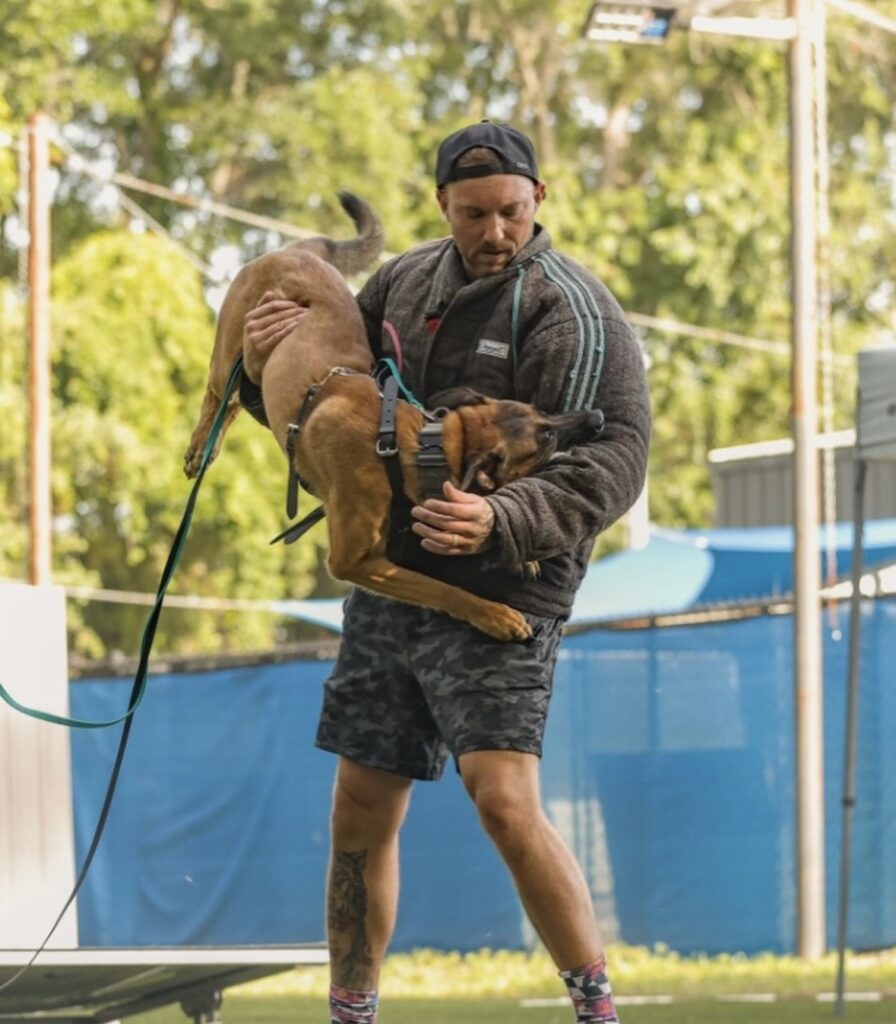
- Prioritizes speed and intensity
- Requires a Leash
- Encourages initiation
- Rewards escalation
- Relies on control equipment
- Is out of Control in real life
Defense-First Protection is fundamentally different:
- The Dog remains handler-linked
- Deterrence precedes engagement
- Force is always proportional and justified
- Engagement occurs only when the threat commits
- Maintains a Controlled situation for the Handler
- Ensures that violence is a LAST resort
This framework dramatically reduces risk while increasing real-world reliability.
⸻
OFF-Leash Protection Reveals the Truth
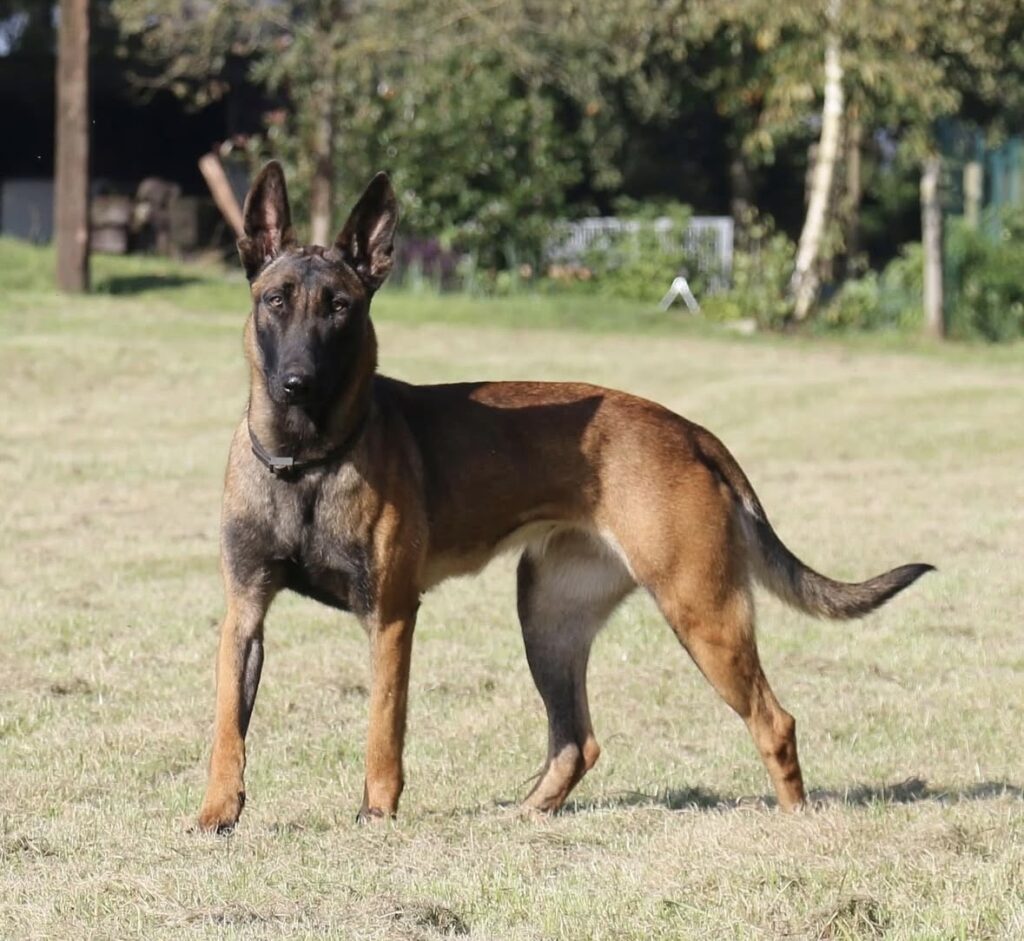
A dog trained for real protection must function OFF-leash.
Leashes hide:
- Poor impulse control
- Delayed response
- Handler dependence
- Incomplete obedience
When the leash comes off, conditioned aggression is exposed almost immediately. Either the dog maintains control and judgment—or it doesn’t.
OFF-Leash Protection is the dividing line between performance and reality.
⸻
Why Obedience Alone Is Not Enough
Many sellers equate obedience with training.
Obedience is necessary—but insufficient.
A dog can:
- Heel perfectly
- Sit instantly
- Recall reliably
…and still fail catastrophically during a protection scenario if obedience has never been integrated inside aggression.
True training requires:
- Obedience under high arousal
- Command response during conflict
- Control before, during, and after engagement
Without this integration, obedience disappears precisely when it is needed most.
⸻
The Family and Public Environment Test
A truly trained Protection Dog must:
- Live safely inside the home
- Accept guests happily
- Navigate public spaces calmly
- Switch ON and OFF repeatedly without emotional residue
Dogs built on conditioned aggression often cannot do this. They remain tense, reactive, or unpredictable once protection behaviors are introduced.
That is not training. That is instability.
⸻
The Question That Separates Training From Theater
Instead of asking:
“Is this dog trained?”
Ask:
“Can this dog decide when not to act—and still act decisively when required?”
If the dog cannot demonstrate restraint, judgment, and immediate recovery, it is not trained for protection—no matter how impressive the bite looks.

⸻
Final Thought
A trained Protection Dog is not defined by how fast it reacts.
It is defined by how well it chooses, how cleanly it controls itself, how effectively it executes, and how completely it returns to peace afterward.
Anything else is not protection.
It is performative.