
But here is the reality most buyers never hear:
Not every Dog marketed as a fully trained Dutch Shepherd for sale is capable of providing safe, reliable, real-world Personal Protection or Family Protection. In fact, most are not.
At AlpinHaus Shepherds, we refer to the industry norm as Protection Dogs 1.0 — Dogs trained primarily for aggression display, sport routines, or rehearsed demonstrations. What we produce are Protection Dogs 2.0 — Dogs trained to combine:
– OFF-Leash Protection
– Defense-First engagement logic
– Real-World Obedience
– Autonomous judgment
– Emotional stability
– Immediate return to calm family behavior (Post-Protection Socialization)
If you are considering any protection trained Dutch Shepherd for sale, understanding this distinction is essential before making one of the most consequential safety decisions of your life.
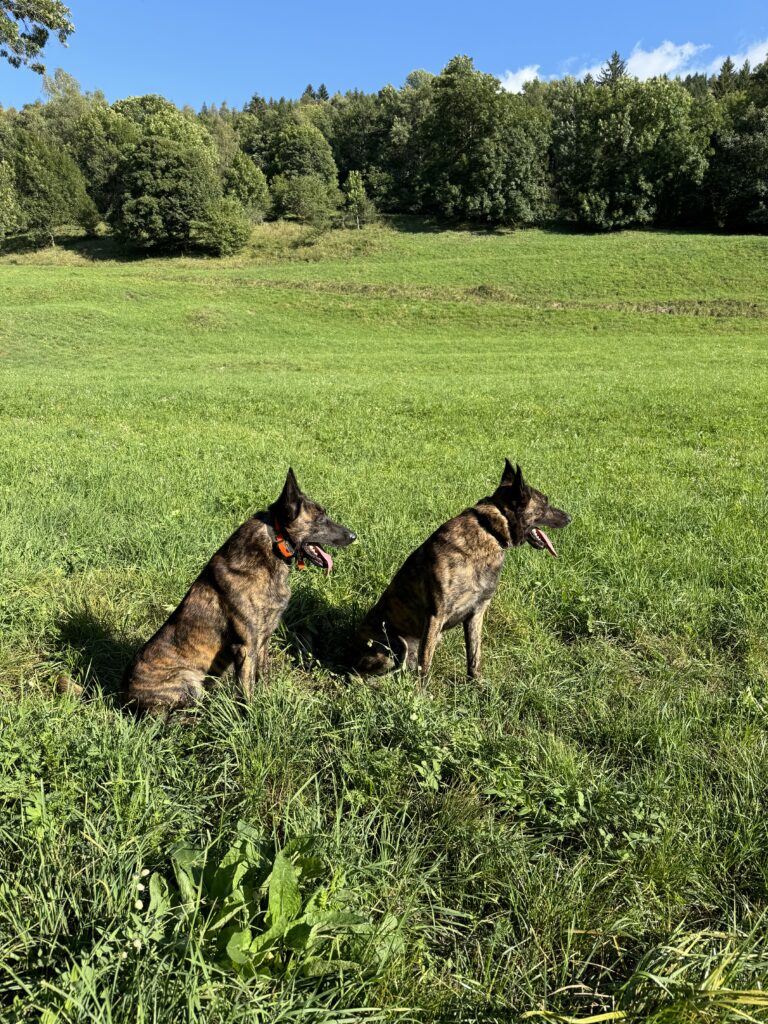
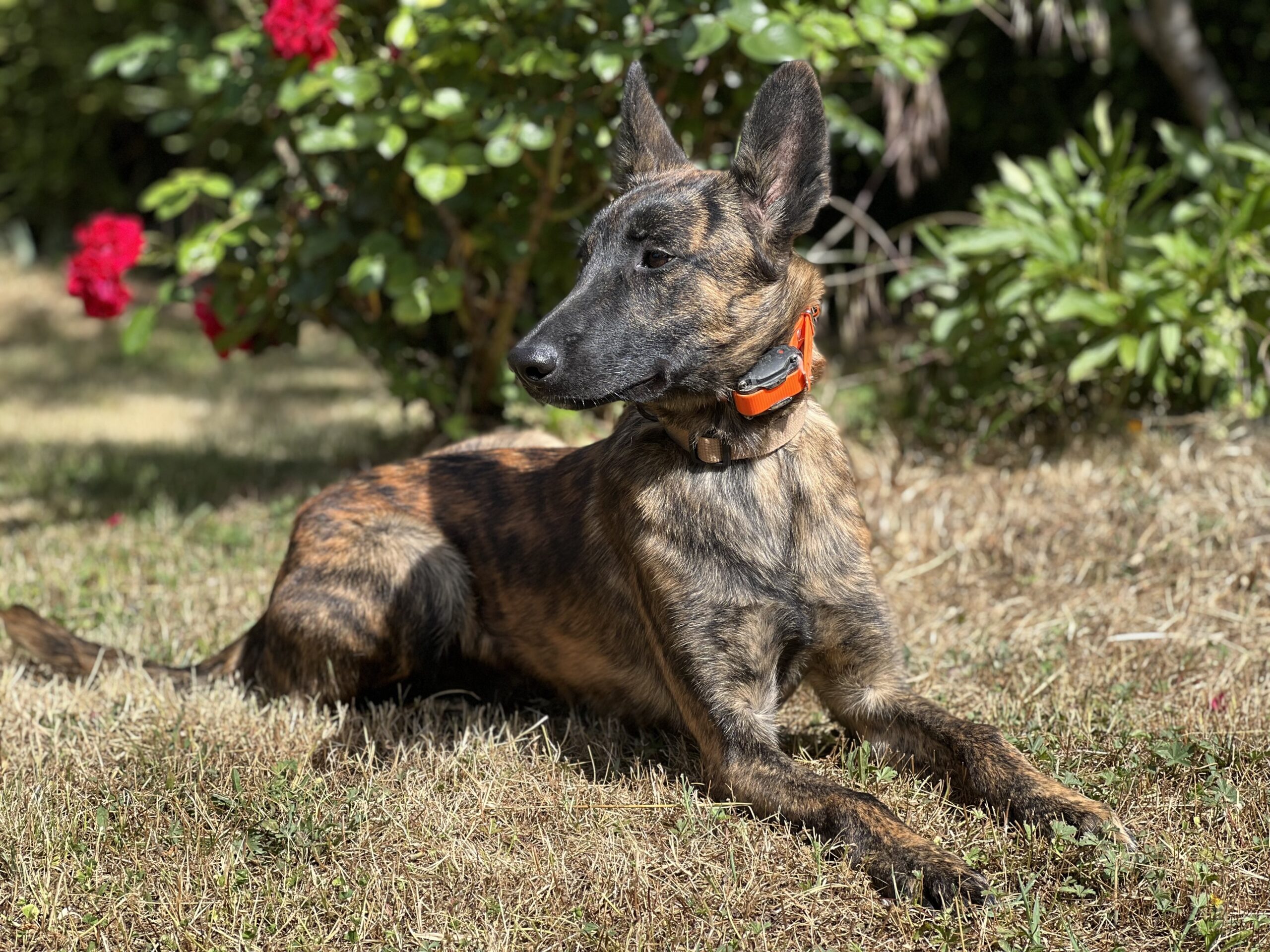
Physical Structure: Power, Agility, and Durability
Dutch Shepherds are medium-large, athletic Dogs with:
Compared to many working breeds, Dutch Shepherds are known for durability under repeated physical stress — a critical trait in real protection scenarios involving unpredictable terrain, confined spaces, and physical confrontation.
Their agility and structural soundness allow them to function effectively in:
This makes them particularly well-suited for OFF-Leash interception and dynamic defensive movement.
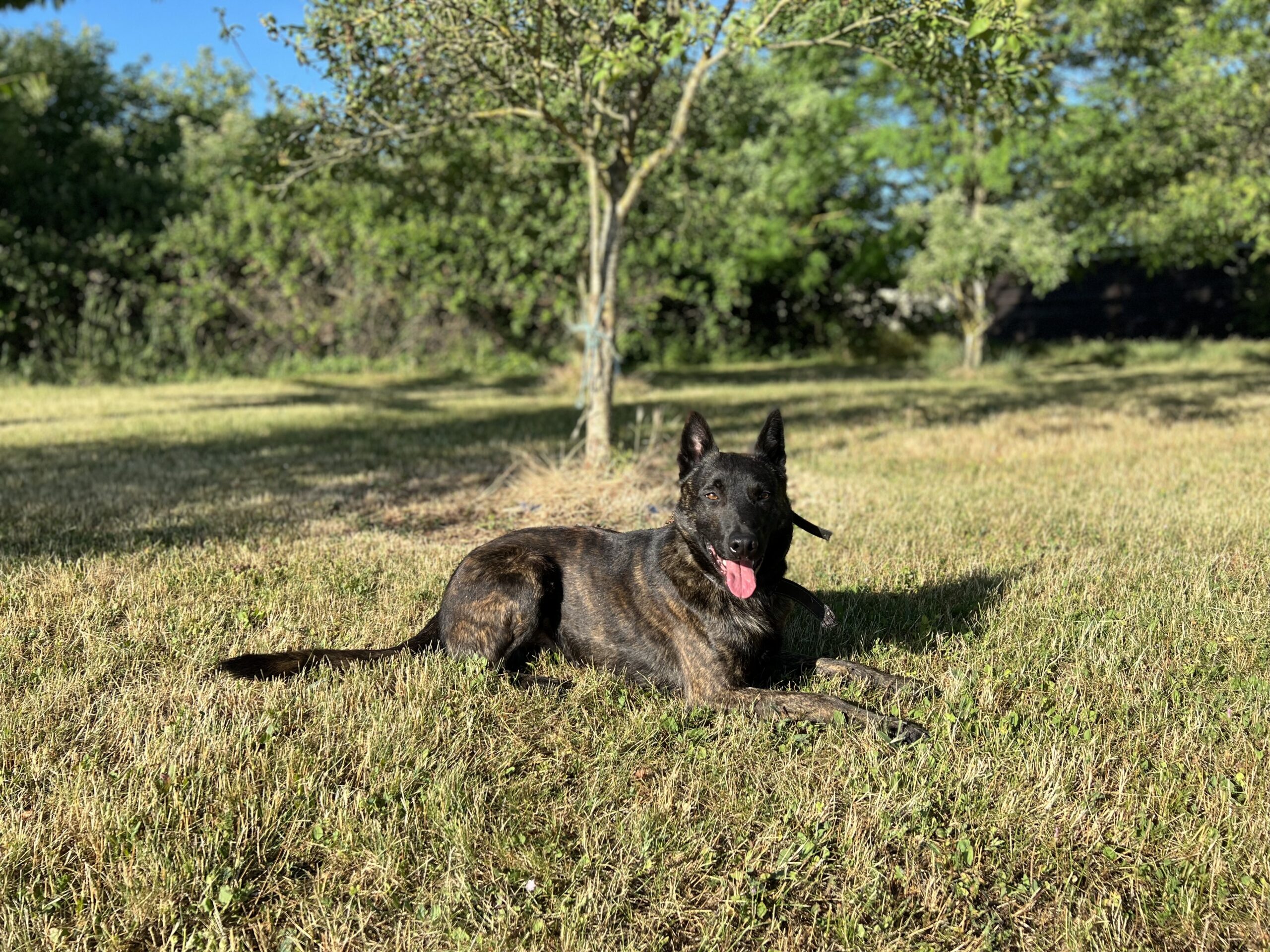
Mental Traits: Clarity Under Pressure
Dutch Shepherds are widely respected for:
These traits allow Dogs to maintain obedience and decision-making even when adrenaline is high — a foundational requirement for safe real-world protection.
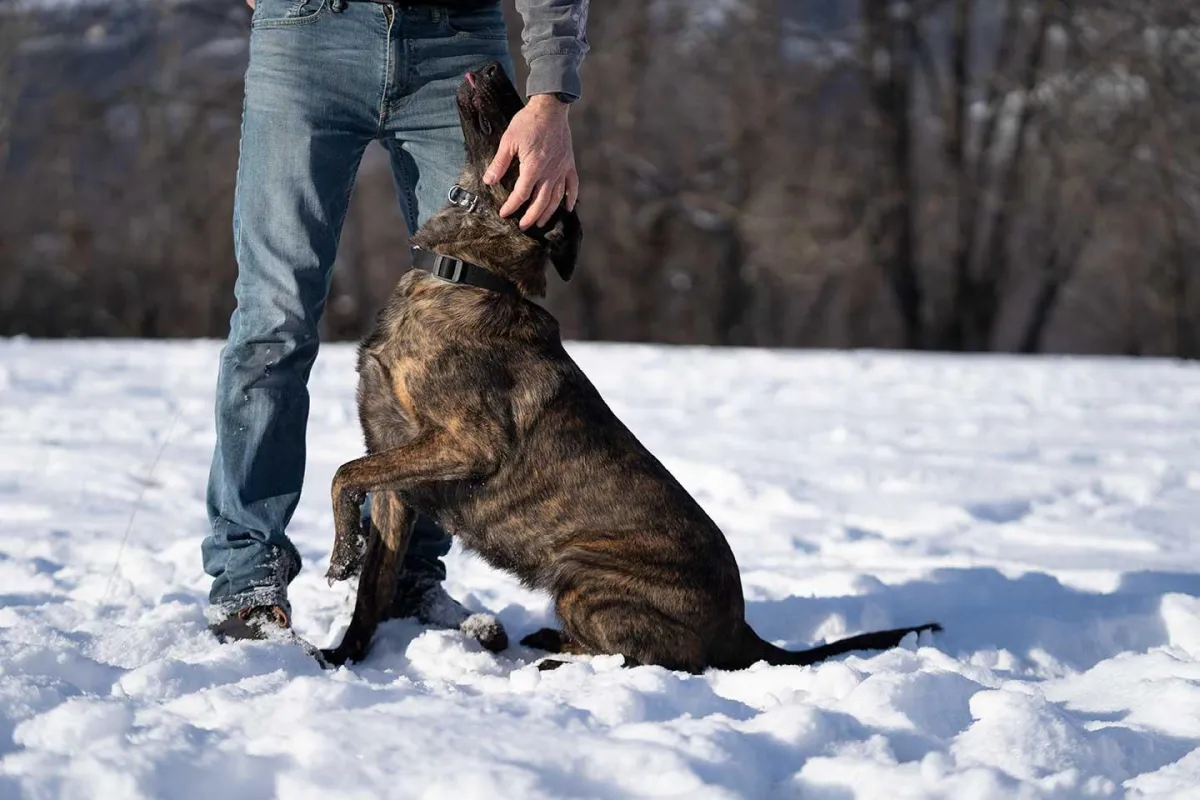
Temperament: Alert, Bonded, and Naturally Protective
A well-bred, properly developed Dutch Shepherd is:
Dutch Shepherds can live safely in family environments — including homes with children — when trained with structured obedience, intentional socialization, and emotional regulation from an early age.
They are not casual companion Dogs. They are elite working partners who require purpose, structure, and leadership. And like all shepherds, they can be nervy and neurotic, but with the proper training these traits can be channeled towards high-performance drives and outcomes.
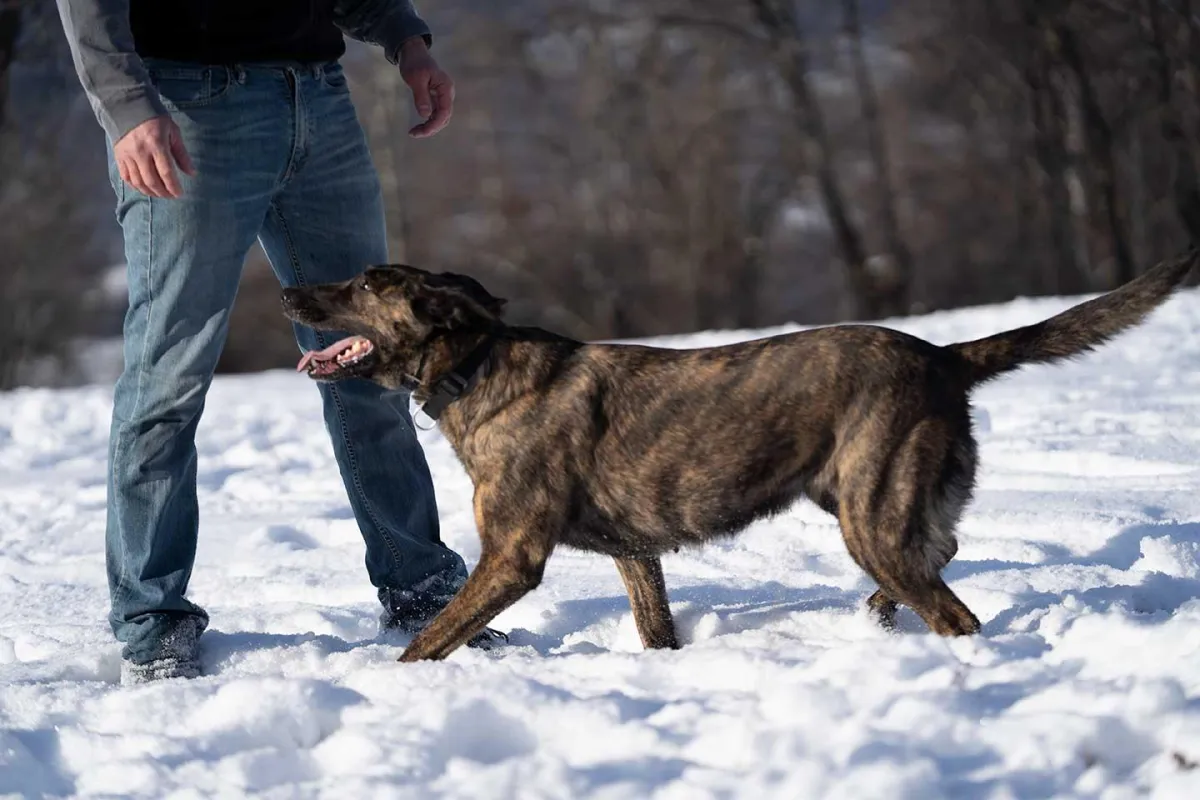
Health and Longevity
Dutch Shepherds are generally considered a hardy working breed. Responsible breeding programs screen for:
Because Dutch Shepherds are often bred for function rather than appearance, many lines maintain excellent structural durability and working longevity when properly conditioned and not rushed through high-impact training too early.
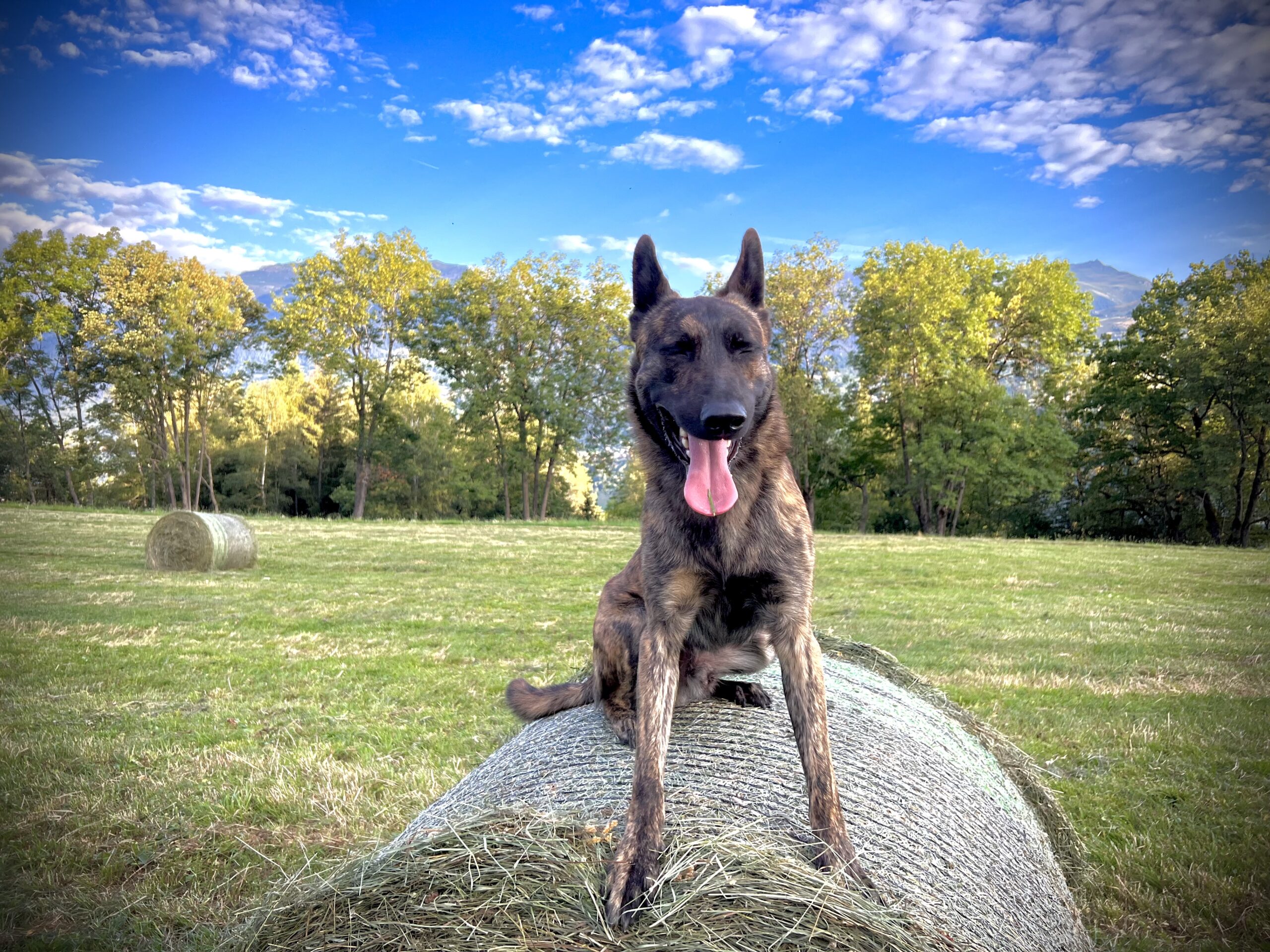
KNPV Dutch Shepherds: Toughness, Grit, and Conflict Confidence
KNPV (Koninklijke Nederlandse Politiehond Vereniging) certification was designed to identify Dogs capable of police-style work under stress.
KNPV-oriented Dutch Shepherds are often selected for:
These Dogs are built to perform when stakes are high.
Home-life considerations:
Without elite training and structure, KNPV-type Dogs can become intense, restless, and self-directed. They thrive on structured work and leadership, not casual lifestyles. KNPV dogs were never bred nor intended for public ownership, just working ownership and utilization.
Ring Sport Influence: Athleticism and Control Under Stimulation
Dutch Shepherds are also present in French Ring programs, where selection favors:
These Dogs often demonstrate:
Home-life considerations:
Ring-influenced Dogs still require daily training and mental engagement. Without structure, intensity can surface as behavioral friction.
Working-Line Breeding vs Registry Labels
Unlike many breeds, Dutch Shepherds have long been bred primarily for working ability, not show conformation. This has preserved:
However, working-line breeding does not guarantee emotional stability or family suitability without correct early development and training methodology. And in the past several years the FCI lines of Dutch Shepherds have carved out standards for the breed in an effort to de-lineage a specific breed program. These Dogs are typically less intense in working traits than their KNPV counterparts, but not always. They are also generally more family-friendly.

Protection Dogs 1.0: Genetic Ceiling
In conventional training systems:
Training operates entirely within genetic constraints.
Protection Dogs 2.0: Reshaping Genetic Expression
Within AlpinHaus’s early-start, elite training system, we can:
This is achieved through:
Training does not merely manage behavior — it restructures emotional architecture.
This is why all AlpinHaus Dogs are uniformly:
You would never guess they are protection Dogs by daily temperament — until protection is required.

“AlpinHaus Shepherds creates the world’s most sophisticated Personal and Family Protection Dogs.”
– Business Insider
Quick Links
Learn
© 2026 AlpinHaus Shepherds. All Rights Reserved. | Privacy Policy | Terms & Conditions